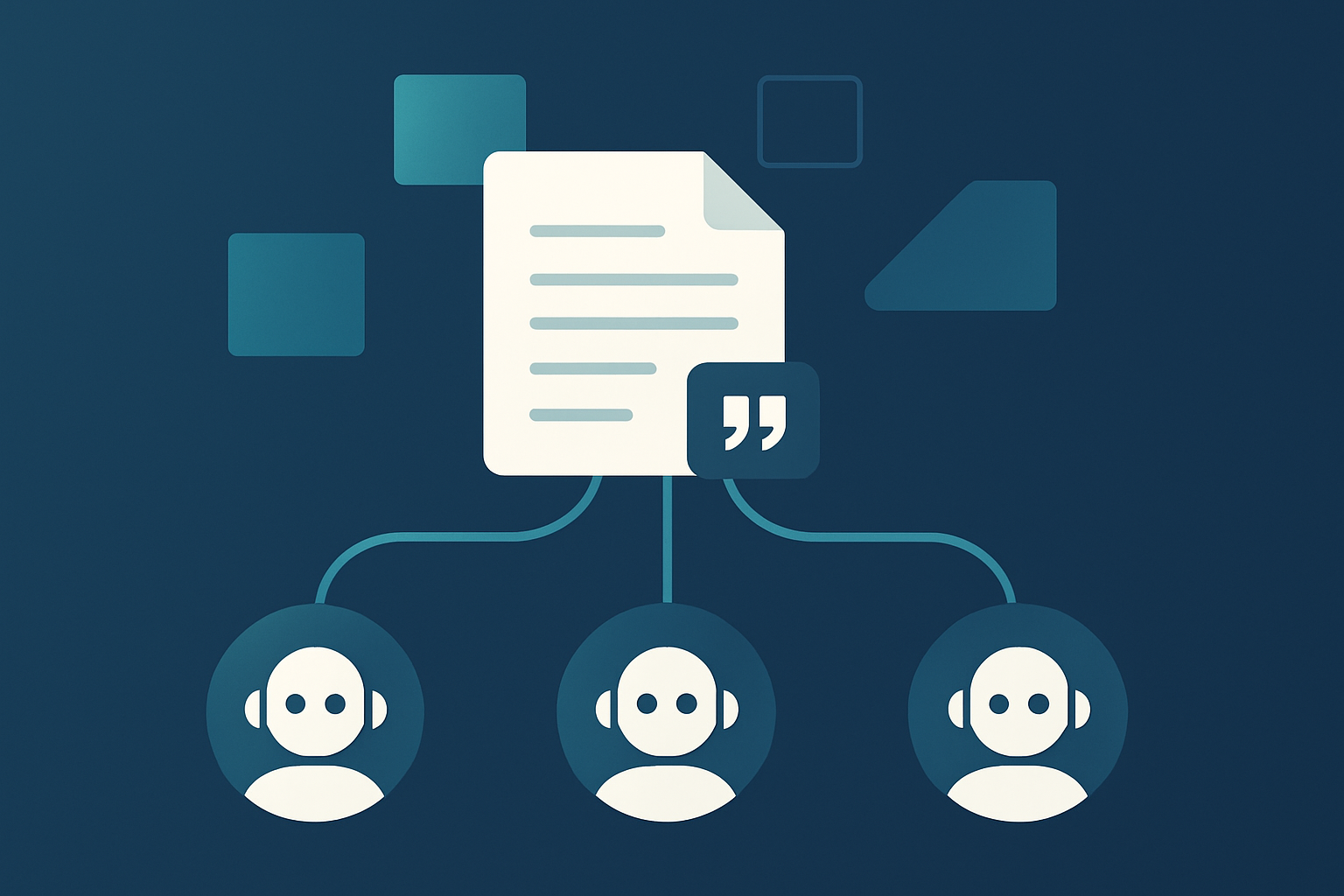
How to Write Content That AI Actually Cites
You’ve published hundreds of blog posts, built topical authority, and earned quality backlinks. Your SEO game is solid. Yet when someone asks Claude or ChatGPT about your area of expertise, your content is nowhere in the response.
The problem isn’t your expertise. It’s how you’re packaging it.
AI systems don’t evaluate content the same way search engines do. They’re looking for something different—and if you understand what that is, you can write content that gets cited, quoted, and recommended in AI-generated answers.
What AI Systems Actually Look For
Large language models don’t crawl the web in real-time the way Google does. They learn from massive datasets during training, and newer systems like Perplexity and Google’s AI Overviews pull from indexed sources to generate responses.
This creates a specific set of criteria for what gets cited:
Clarity beats cleverness. AI systems need to extract information quickly. Content buried in elaborate metaphors or industry jargon often gets overlooked in favor of straightforward explanations.
Structure matters more than length. A well-organized 800-word article with clear headings often outperforms a rambling 3,000-word piece. AI systems can identify and pull discrete pieces of information when your content is logically structured.
Definitions and frameworks stick. When you define a term or introduce a framework, AI systems tend to remember and reference it. Creating clear, quotable explanations of concepts gives AI something concrete to cite.
Primary sources win. Original data, surveys, case studies, and proprietary insights get cited more than aggregated information. If you’re just summarizing what others have said, AI has likely already learned from those original sources.
The Anatomy of Citable Content
Let’s look at a practical example. Imagine you’re a cybersecurity firm writing about phishing attacks.
Generic approach (less citable): “Phishing attacks are a major threat that businesses need to take seriously. There are many types of phishing, and organizations should implement various protections to stay safe.”
Optimized for AI citation: “Phishing attacks use deceptive emails, texts, or websites to trick users into revealing sensitive information. The three most common types are: spear phishing (targeted attacks on specific individuals), whaling (attacks targeting executives), and smishing (SMS-based phishing). According to internal analysis of 500 incident reports, 67% of successful phishing attacks in 2024 bypassed email filters by using legitimate cloud services as intermediaries.”
The second version works because it:
- Provides a clear definition upfront
- Offers a specific, organized framework (the three types)
- Includes proprietary data that can’t be found elsewhere
- Uses plain language that AI can easily extract and rephrase
This isn’t about keyword stuffing or SEO tricks. It’s about making your expertise accessible to systems that process millions of documents looking for the clearest, most authoritative answer.
Five Tactical Changes to Make Today
1. Lead with definitions. When introducing any concept, start with a one-to-two sentence definition. Don’t assume the reader (or the AI) knows the term. This creates a quotable anchor for your entire piece.
2. Use numbered lists and clear categories. AI systems love structure they can parse. Instead of flowing prose about “various benefits,” use “three key benefits” with clear labels. This makes extraction straightforward.
3. Include specific data points. Vague claims like “significant improvement” get ignored. Concrete claims like “34% reduction in load time” get cited. If you don’t have proprietary data, reference specific studies with proper attribution.
4. Answer the question in the first paragraph. AI systems often pull from content that answers user queries directly. Don’t save your best insight for the conclusion. Put it upfront, then spend the rest of the article supporting it.
5. Create original frameworks. If you develop a methodology—like a “Three-Phase Implementation Model” or a “Risk Assessment Matrix”—name it and explain it clearly. AI systems treat named frameworks as citable assets.
The Long Game: Building AI Authority
Tactical optimizations get you in the door. Sustained visibility requires strategic thinking.
Consider what questions your ideal customers are asking AI systems right now. These might be different from the keywords you target for SEO. Someone typing into Google might search “best CRM software comparison,” but someone asking Claude might say, “What CRM would work for a 50-person sales team that uses HubSpot for marketing?”
Your content should answer both types of queries. And to know which AI questions matter most for your business, you need visibility into how AI systems are actually responding.
This is where measurement becomes critical. You might be getting cited in ways you don’t realize—or missing from conversations you should be leading. Without tracking your AI visibility, you’re optimizing blind.
Signalia helps businesses monitor exactly this: where they appear (and don’t appear) across AI platforms like ChatGPT, Claude, Perplexity, and Google AI Overviews. When you can see which queries generate citations and which don’t, you can refine your content strategy with actual data instead of guesswork.
The brands that figure out AI-citable content now will have a significant advantage as more users shift from searching to asking. The tactics are learnable. The question is whether you’ll apply them before your competitors do.